 By Daxon Mako
The trend of layering necklaces has evolved from a transient fashion moment into a staple of personal style. Whether you are aiming for a minimalist, clean-girl aesthetic or a maximalist, bohemian vibe, stacking necklaces is one of the most effective ways to express your personality. The beauty of this trend lies in its versatility; you are not limited to one set of jewelry, but rather invited to curate a collection that reflects your mood, your outfit, and your individuality. However, moving from a tangled mess of chains to a thoughtfully curated stack requires a bit of technique. Mastering the art of layering is about understanding proportions, balancing textures, and knowing how to create a cohesive look that feels intentional rather than accidental.
Understanding the Foundation of a Good Stack
Before you begin grabbing every chain in your jewelry box, it is essential to understand that a successful stack is built on a foundation of varying lengths and weights. The most common mistake people make when they first start layering is using necklaces of the same length, which inevitably leads to tangling and a lack of visual hierarchy. You want your necklaces to cascade down your décolletage in a way that guides the eye. By choosing pieces that sit at different intervals—typically spaced about an inch or two apart—you create a balanced look where every individual piece has room to shine without competing for attention.
Start with Your Base Layer
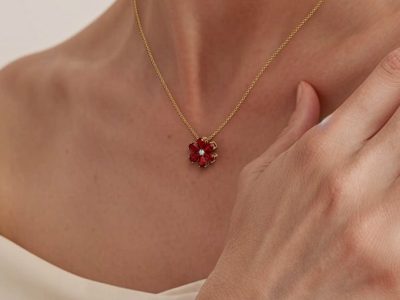
Every great stack starts with a solid anchor, and the best way to begin is by choosing a shorter, simpler necklace as your base. A dainty chain, a classic cable link, or a subtle choker is the perfect starting point because it sits closest to your neck and sets the tone for the rest of the ensemble. If you are a beginner, a gold or silver chain with a simple, delicate pendant—or even just the chain itself—is a fantastic place to start. This base layer acts as the frame for your outfit and provides a clean, polished look that makes it much easier to add more complex pieces later.
Master the Art of Varying Textures and Links
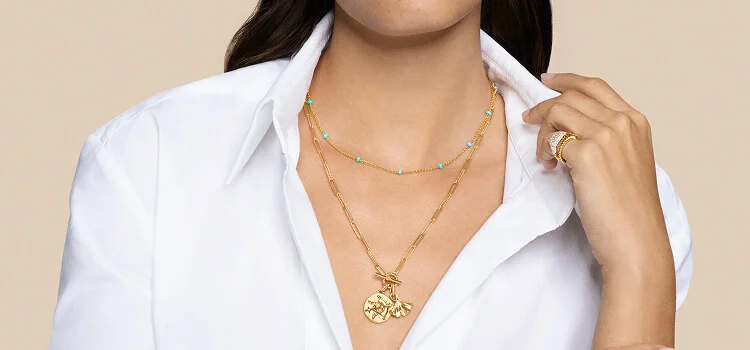
A one-dimensional stack can often look flat and boring. To achieve that effortless, influencer-approved look, you must mix your textures and link types. If your base layer is a delicate, thin cable chain, your second layer should be something slightly heavier or with a different link style. Think about incorporating:
-
Paperclip links: These are modern and add a structured, geometric feel to any stack.
-
Box or snake chains: These offer a smoother, more liquid appearance that contrasts beautifully with textured links.
-
Coin or medallion pendants: These provide a vintage, storied feel that acts as a focal point for the entire look.
-
Beaded or pearl strands: Introducing small pearls or gemstones can break up the monotony of metal, adding a touch of color and organic warmth.
By mixing a dainty, high-shine chain with a more substantial, matte, or textured piece, you create visual interest. Your eyes will naturally travel through the different textures, making the entire stack feel much more dynamic.
Incorporating Meaningful Pendants
While chains are essential, pendants are where you inject personality into your jewelry. When layering, it is best to place your most prominent or meaningful pendant on the longest chain. This prevents the necklaces from tangling and ensures that the focal point of your stack sits exactly where you want it. Whether it is an initial pendant, a vintage locket, or a meaningful charm, let the longest chain take center stage. When you have a clear hero piece, the rest of the shorter necklaces act as supporting characters, framing the pendant and creating a cohesive story.
Balancing Metals and Tones
For years, the fashion industry clung to the rule that one must never mix metals. Today, those rules have been tossed aside in favor of a much more expressive approach. Mixing gold, silver, and rose gold is not only acceptable but often encouraged to add depth to your look. If you want to mix metals, the key is to ensure there is a common thread that ties them together. Perhaps both necklaces have a similar link style, or they feature similar gemstone accents. If you prefer a more monochromatic look, keep the base metal the same but vary the finish—for example, pairing a polished gold chain with a brushed or matte gold pendant. This subtle variation keeps the monochromatic look from feeling too uniform.
Managing the Tangling Struggle
The biggest challenge for any fan of layered necklaces is the inevitable tangling. While it can be frustrating, there are several practical ways to mitigate the issue. First, consider the weight of your pieces. If you are layering necklaces of vastly different weights—such as a very heavy pendant on a thick chain next to a gossamer-thin chain—the lighter necklace will often get caught in the links of the heavier one. Try to keep the weight of your chains relatively similar. Second, you can invest in a layered clasp or a necklace spacer. These small tools connect multiple chains into a single clasp, keeping them spaced out correctly at the back of your neck and preventing them from rotating around your neck throughout the day.
Stylizing for Different Necklines
Your neckwear should always complement the clothing you are wearing. A high-neck top, such as a crewneck sweater or a turtleneck, is a perfect canvas for a longer, more dramatic stack that rests against the fabric. On the other hand, a V-neck or an off-the-shoulder top allows you to place your necklaces directly against your skin, making for a more delicate and feminine look. If you are wearing a busy, patterned shirt, you might want to scale back the number of necklaces to avoid an overly cluttered appearance. Let your outfit dictate the volume of your stack. A simple white T-shirt is the ideal backdrop for a maximalist stack, while a complex outfit might only require two simple, complementary chains.
Curating for Longevity
As you continue to build your jewelry collection, focus on quality over quantity. Because you will be wearing these pieces often, look for durable materials that can withstand daily use without tarnishing. While gold-filled or sterling silver pieces are excellent mid-range options, investing in a few solid gold staple pieces will ensure that your base layers remain bright and beautiful for years. Remember that jewelry is an investment in your personal style, and a well-curated stack of high-quality pieces will always look better than a large collection of cheap, disposable jewelry that loses its luster after a few wears.
Frequently Asked Questions
Is there a limit to how many necklaces I should stack at once?
There is no strict rule, but for most everyday looks, three to four necklaces is the sweet spot. Stacking more than that can lead to excessive tangling and make the look feel cluttered. Focus on creating a balanced appearance rather than simply adding as many pieces as possible.
How can I make sure my necklaces stay at their intended lengths?
You can use adjustable extenders, which are small pieces of chain that attach to the end of your necklace, allowing you to customize the length. This is particularly helpful when you find that your favorite necklaces are all the same length and you need to drop one lower to create a proper stack.
Should I take my necklaces off before going to sleep?
It is highly recommended to remove your jewelry before sleeping. Not only does this reduce the risk of tangling and breaking the chains, but it also prevents oils, sweat, and skincare products from damaging the metal, which helps your jewelry maintain its shine for much longer.
How do I clean my layered necklaces without damaging them?
A gentle cleaning solution made of warm water and a drop of mild dish soap is usually sufficient. Use a soft-bristled toothbrush to gently clean around pendants and between links. Always pat them dry with a soft, lint-free cloth rather than air-drying, which can lead to water spots.
Can I layer necklaces with different shapes of pendants?
Yes, mixing shapes can add a modern edge to your stack. Pair a circular medallion with a linear or rectangular pendant for a striking contrast. The key is to keep the sizes proportional so that one shape does not overwhelm the others.
Is it necessary for all my necklaces to be from the same brand?
Not at all. In fact, mixing pieces from different sources—including vintage finds, designer pieces, and affordable basics—is exactly what gives a stack its character. It makes your look feel curated and unique to you rather than like a pre-packaged set.
How do I prevent pendants from flipping over while I am moving?
Pendants will inevitably move, but choosing necklaces with a bit of weight can help keep them centered. You can also look for pendants that are double-sided or have a heavier base, as these are less likely to rotate constantly compared to very lightweight, thin designs.