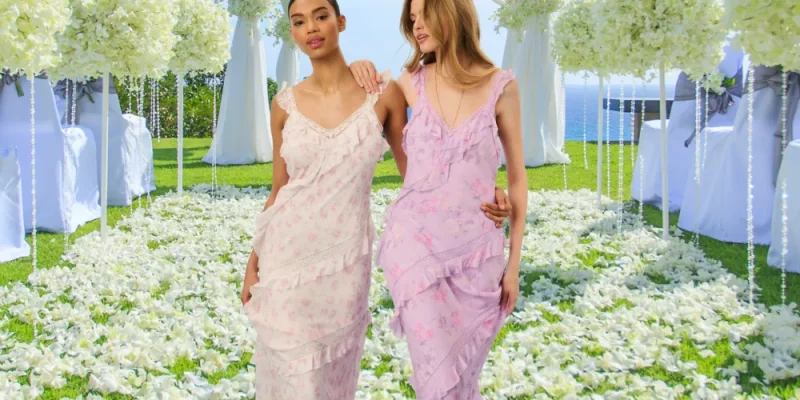
 By Daxon Mako
Attending a wedding is a joyous occasion, but it often brings a specific kind of stress: what to wear. Navigating the complex landscape of wedding dress codes can feel like an impossible task, especially when you want to look your best while honoring the couple’s vision for their big day. The ideal wedding guest dress balances personal style with respectful adherence to the invitation’s requirements. By understanding the nuances of formal language and current fashion trends, you can select an ensemble that makes you feel confident, comfortable, and perfectly appropriate for any setting.
Decoding Wedding Dress Codes
The first step in choosing the right dress is interpreting the dress code listed on the invitation. If no code is provided, take cues from the venue, the time of day, and the level of formality suggested by the invitation style itself.
-
Black Tie: This is the most formal request. A floor-length evening gown is expected. Opt for sophisticated fabrics like silk, velvet, or chiffon. Darker, rich colors or metallic tones usually work best for these high-end evening affairs.
-
Formal or Black Tie Optional: You have slightly more flexibility here. A formal midi dress or a sophisticated floor-length gown is perfectly acceptable. Avoid overly casual fabrics and focus on elevated silhouettes.
-
Cocktail Attire: This is the most common wedding dress code. A knee-length, midi, or tea-length dress is standard. Think of a chic party look that is festive but not as dramatic as a full-length gown.
-
Semi-Formal or Dressy Casual: This allows for a wider range of styles. A wrap dress, a slip dress, or a structured day dress works well. Aim for something you would wear to a nice dinner, ensuring it feels celebratory.
-
Casual or Daytime: While casual, it is still a wedding. Avoid denim, shorts, or anything overly revealing. A sundress, a jumpsuit, or a skirt-and-top combination can be excellent choices.
Navigating Etiquette and Traditions
Even with modern fashion rules, certain long-standing traditions remain important. Respecting these guidelines is a sign of consideration for the couple and the occasion. The most well-known rule is the avoidance of white, ivory, or cream dresses. These colors are traditionally reserved for the bride, and wearing them can be seen as an attempt to overshadow the person of honor. Unless the couple has explicitly requested a white-themed dress code, always choose another hue.
Another aspect of etiquette involves modesty and context. While fashion has become increasingly experimental, a wedding ceremony is a formal event often held in religious or traditional settings. It is generally wise to ensure your dress is appropriate for the venue. If you choose a dress with a deep neckline or a high slit, consider bringing a beautiful pashmina, a tailored blazer, or a wrap to cover your shoulders during the ceremony. Once the reception begins, you can feel free to style the piece more boldly.
Current Trends for Wedding Guests
Fashion is currently leaning toward a blend of timeless elegance and bold, expressive details. Incorporating these trends can keep your look feeling fresh and modern without sacrificing the sobriety required for a wedding.
-
Bold Florals: Forget the dainty patterns of the past. This season, large-scale, vibrant floral prints are incredibly popular. They bring a celebratory, artistic feel to the event, especially for spring and summer weddings.
-
Rich Jewel Tones: Colors like emerald green, deep amethyst, sapphire blue, and ruby red are flattering on almost everyone and offer a level of sophistication that works across multiple seasons.
-
Textural Elements: Dresses featuring subtle ruffles, pleats, or tactile fabrics like lace and jacquard add dimension to your outfit. These details make even a simple silhouette feel expensive and curated.
-
Caped Silhouettes: A dress with a built-in cape or a detachable capelet is a stunning way to introduce high-fashion drama while providing coverage for the arms.
Choosing the Right Fabric and Silhouette
The choice of fabric should align with the season and the nature of the wedding. For a summer garden wedding, breathable fabrics such as linen blends, cotton sateen, or light silk are your best allies. These materials keep you cool while providing a clean, structured look. For autumn and winter nuptials, you can lean into heavier, more luxurious textiles like velvet, brocade, or heavy-weight crepe.
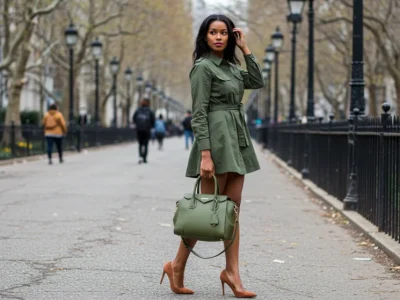
When considering the silhouette, prioritize your personal comfort. If you plan on dancing, ensure your dress allows for movement. A silhouette that cinches at the waist and flows through the hips is universally flattering and comfortable for sitting through long ceremonies and multi-course dinners. If you prefer a more modern, fashion-forward look, consider a sophisticated jumpsuit with wide-leg trousers or a structured midi dress with asymmetrical necklines.
Accessories That Complete the Look
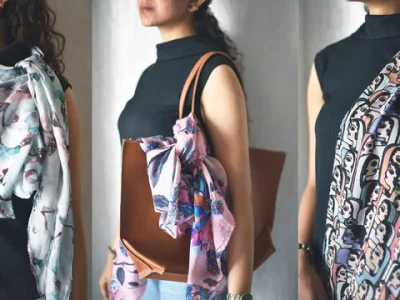
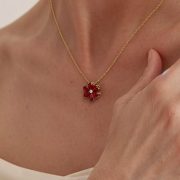
Once you have selected the dress, the accessories play a crucial role in pulling the final look together. For a formal wedding, choose refined jewelry—perhaps a pair of statement earrings or a delicate necklace that complements the neckline of your dress. Keep your footwear comfortable, especially if the wedding involves grassy terrain or extended periods of standing. A block heel is a fantastic alternative to a stiletto, providing the height and elegance without the struggle of sinking into the lawn.
Your handbag should be small and evening-appropriate. A metallic clutch or a beaded minaudiere serves as the perfect accessory to hold your phone, lipstick, and keys without overwhelming your outfit. Remember, the goal of your accessories is to complement the dress, not to detract from it. Aim for a cohesive aesthetic where your jewelry, shoes, and bag feel like a unified collection rather than disparate pieces.
Sustainability and Second-Hand Options
The rise of the circular economy has made it easier than ever to find stunning wedding guest dresses without contributing to the cycle of fast fashion. Many high-end rental platforms allow you to borrow designer gowns for a fraction of their retail price, which is an excellent way to wear something truly special that you might not otherwise buy. Additionally, exploring vintage shops or online resale markets can lead to the discovery of unique, one-of-a-kind pieces that you will not see on any other guest. Choosing to reuse or rent is not only a stylish choice but a conscious one, aligning with the values of many modern weddings.
Frequently Asked Questions
Can I wear black to a wedding?
Yes, absolutely. Black has become a very popular choice for wedding guests, especially for evening, formal, or cocktail affairs. It is universally elegant and chic. However, avoid very somber, matte black styles that might look like mourning attire; instead, choose black dresses with interesting textures, embellishments, or a fun silhouette to ensure it feels celebratory.
What should I wear to an outdoor wedding on a lawn?
For an outdoor wedding, prioritize your footwear. As mentioned, block heels, wedges, or dressy flat sandals are best to prevent your heels from sinking into the grass. Also, consider the weather—bring a light layer if the evening gets chilly, and look for fabrics that do not show sweat or wrinkle easily in the humidity.
Is a jumpsuit an appropriate alternative to a dress?
Yes, a well-tailored, sophisticated jumpsuit is an excellent alternative to a dress for almost any wedding dress code, ranging from semi-formal to formal. Look for quality fabrics and a flattering fit, and accessorize it just as you would a dress with heels, jewelry, and a clutch.
How short is too short for a wedding guest dress?
A good rule of thumb is to keep the hemline at or near the knee for cocktail and semi-formal weddings. Anything significantly shorter may not be appropriate for a traditional or religious ceremony. When in doubt, a midi-length dress is always the safest and most polished option.
Should I match my dress color to the wedding party colors?
You do not need to worry about avoiding the wedding party colors. While it is a considerate gesture, you are not expected to know the specific shade of the bridesmaids dresses. Just steer clear of the bride’s white, and you are generally safe.
How do I dress for a destination wedding?
Destination weddings often involve specific themes or climates. Pay close attention to the wedding website, which usually provides more context. For beach weddings, look for lighter fabrics and brighter, tropical-inspired colors. For mountain or European countryside weddings, consider elegant midi dresses that feel effortless and slightly rustic.
What should I do if I am still unsure about the dress code?
If the invitation is unclear, the best course of action is to ask the couple or a member of the wedding party—but do so well in advance. Alternatively, you can always ask a mutual friend who is also attending. When in doubt, it is generally better to be slightly overdressed than underdressed.