 By Daxon Mako
As the calendar turns and the crisp air of autumn begins to replace the lingering warmth of summer, many people fall into the trap of packing away their entire warm-weather wardrobe. This annual migration of clothing from the closet to storage boxes is not only labor-intensive but also unnecessary. Your summer dresses, often discarded too early, are the secret weapons of a versatile, stylish, and sustainable autumn wardrobe. The transition from one season to the next does not require a complete overhaul of your closet. Instead, it invites a creative approach to styling that focuses on the art of layering, enabling you to extend the lifespan of your favorite pieces well into the cooler months.
Layering is much more than a functional requirement for staying warm; it is a sophisticated styling technique that adds depth, texture, and dimension to your outfits. When you repurpose a lightweight dress for autumn, you are playing with contrast. The juxtaposition of delicate, airy fabrics against structured, heavy materials like wool, leather, or denim creates a visually interesting look that feels both intentional and fashion-forward. By mastering these combinations, you can enjoy your favorite summer staples throughout the year while reducing the need for excessive seasonal consumption.
The Foundation of Autumn Layering
Before you start pairing pieces, consider the fabric and cut of your summer dress. Slip dresses, floral midi dresses, and cotton shirt dresses are particularly well-suited for this transition. The goal is to build an outfit that offers enough warmth for a chilly morning while remaining breathable enough for the warmer, sun-drenched afternoons of early autumn. Start with a solid foundation. If your dress is sleeveless, you need layers that provide coverage for the upper body, such as turtlenecks, fitted long-sleeve shirts, or structured blazers.
1. The Power of the Turtleneck Base
One of the most effective ways to winterize a sleeveless or spaghetti-strap dress is to wear a fitted turtleneck underneath it. This classic styling trick provides an immediate layer of warmth and transforms the silhouette of the dress entirely. A thin, ribbed knit or a soft jersey turtleneck works best because it adds warmth without adding unnecessary bulk under the dress. Choose a neutral-colored base, such as black, cream, or charcoal, to allow the pattern or color of your summer dress to remain the focal point. This combination works exceptionally well for office settings or evening gatherings, as it strikes a balance between professional modesty and effortless style.
2. Incorporating Cozy Knitwear Over the Top
When the temperature drops further, wearing the layer on top becomes more practical. An oversized, chunky knit sweater is the perfect companion for a flowy midi or maxi dress. By pulling a heavy sweater over your dress, you effectively turn the bottom portion of the garment into a skirt. This approach works best with dresses that have a bit of volume, as the contrast between the fitted upper body and the draped skirt creates a flattering shape. To refine the look, try tucking the front of the sweater into a belt worn over the dress or simply let it hang loosely for a more relaxed, bohemian aesthetic. The weight of the knit against the lightness of the dress creates a beautiful textural balance that is quintessential for autumn.
3. The Structural Shift with Blazers and Jackets
For a more polished and professional look, utilize the power of layering with structured outerwear. A tailored blazer thrown over a floral summer dress adds an instant layer of sophistication and warmth. This combination is ideal for navigating the fluctuating temperatures of the day, as you can easily remove the blazer if the sun comes out. If you prefer a more edgy look, a leather moto jacket is an excellent choice. The toughness of the leather perfectly complements the softness of a feminine summer dress, creating a look that is both balanced and modern. Ensure that the jacket or blazer hits at a length that complements the cut of your dress to maintain proper proportions.
4. Legwear as a Stylistic Element
The transition into autumn is often defined by the cooling of the legs. While you may have been comfortable wearing your dresses bare-legged in July, the lower temperatures of October require a different approach. Tights are the obvious solution, but they can be a major stylistic asset if you choose them thoughtfully. Move beyond basic black opaque tights and experiment with different deniers, textures, and even patterns. Sheer black tights offer a classic and elegant look, while fleece-lined tights provide the warmth of thick pants without sacrificing the appearance of a sheer stocking. Do not be afraid to lean into warmer, earthy tones like burgundy, deep olive, or navy to harmonize with the colors of your autumnal dresses.
5. Footwear Choices That Ground the Look
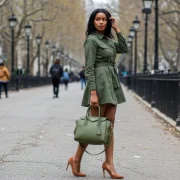
Your choice of footwear is the final piece of the puzzle that determines the overall vibe of your outfit. Summer sandals are generally too light for the aesthetic shift of autumn, but closed-toe footwear opens up endless possibilities. Ankle boots are the quintessential autumn shoe and pair seamlessly with almost any dress length. For a more rugged or practical look, try combat boots or Chelsea boots. These provide a sturdy, grounded base that balances the lightness of a summer dress. If you want a more elevated appearance, knee-high or over-the-knee boots are an exceptional choice. Wearing a longer dress that hits just below the top of your boots creates a seamless, chic look that also provides extra coverage against the cold wind.
Maintaining Proportions and Texture
The art of layering is fundamentally about balance. When you are stacking multiple items, it is easy to end up looking swamped in fabric. If you are wearing an oversized sweater over a dress, consider cinching your waist with a belt to reintroduce your shape. Similarly, if you are wearing a long, loose dress, pair it with a more cropped, fitted jacket to avoid a baggy silhouette. Texture is another key component. Mixing smooth silks or cottons with coarse wools, brushed suede, or distressed denim makes an outfit look carefully curated rather than thrown together. The more contrast you have in your textures, the more dynamic and intentional your outfit will appear.
The Psychological Benefit of Extended Wear
Beyond the practical and stylistic benefits, continuing to wear your summer dresses in autumn has a positive psychological impact. It allows you to maintain a connection to the brighter, warmer months during a season that is naturally focused on transition and introspection. It challenges you to be more creative with your current resources, fostering a more mindful approach to your wardrobe. When you realize that your clothes are versatile enough to span multiple seasons, you begin to value them more, leading to a healthier relationship with your personal style and a smaller environmental footprint.
Frequently Asked Questions
Can I wear a strapless summer dress in the fall without looking out of place?
Yes, you can. The key is to wear a high-quality, long-sleeved base layer underneath or a thick, oversized cardigan on top that provides enough coverage. Using a scarf or a pashmina can also help bridge the gap, providing warmth and visual balance to the exposed neckline.
How do I prevent my outfit from looking too bulky when layering?
To avoid excessive bulk, select base layers that are made from lightweight, thin fabrics like modal, silk, or fine-gauge cotton. When layering sweaters over dresses, opt for fabrics that have a good drape. Always ensure that the outer layers have enough room to fit over the underlayers without restricting your movement.
Is it appropriate to wear bright summer colors in the late autumn?
Absolutely. Fashion rules have shifted toward personal expression. While darker, earthier tones are traditional, mixing a bright summer dress with neutral autumn staples like a camel coat, gray boots, or black tights can create a striking and modern contrast that makes the color stand out in a sophisticated way.
How can I make my summer dresses look appropriate for a formal event in the fall?
For formal occasions, opt for more refined layers. Instead of a chunky sweater, pair your dress with a tailored velvet blazer, a faux fur stole, or a sophisticated cashmere wrap. Replace casual ankle boots with elegant block-heel pumps or sleek knee-high leather boots to elevate the look instantly.
Are there specific types of summer dresses that do not work for autumn?
Generally, dresses with very intense tropical prints or those made from extremely sheer, beach-focused fabrics can be harder to style for autumn. However, even these can often be transformed if you layer them with heavy, solid-colored pieces that anchor the outfit and provide enough coverage to make the look feel grounded in the season.
How should I store my summer dresses that are not suitable for layering?
If you have items that truly cannot be adapted, store them clean and in a cool, dry place. Using breathable garment bags is better than plastic containers, as it prevents moisture buildup. However, try to challenge yourself to find at least one way to style every dress before deciding to put it away for the season.